

Kanye & Kid Cudi’s Kids See Ghosts Tracklist: Full Review
LAME OR FLAMES…
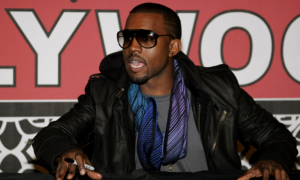
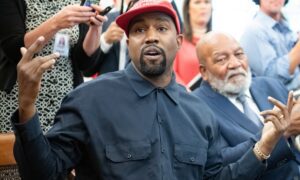
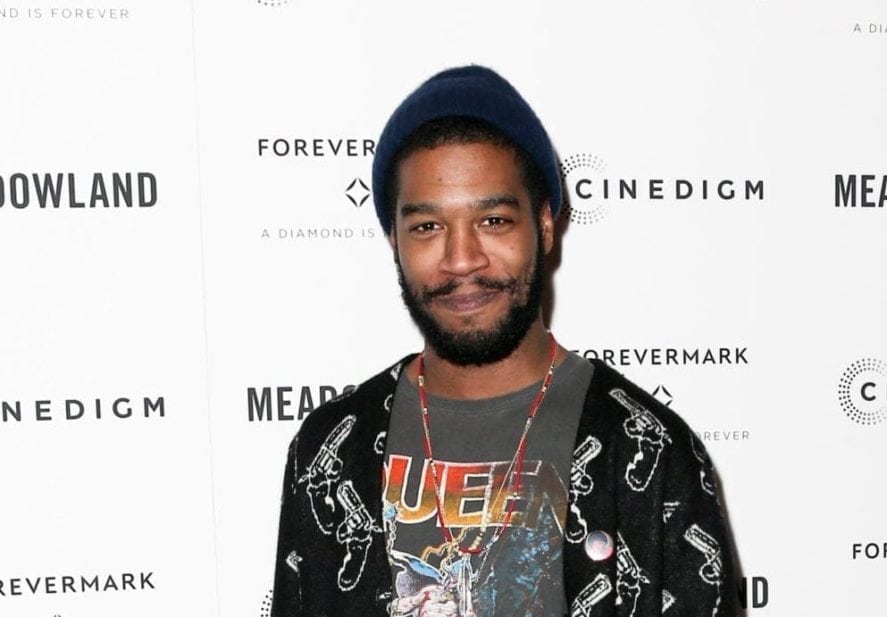
KIDS SEE GHOSTS is an American hip-hop duo consisting of artists Kanye West and Kid Cudi. The collaborative effort was announced on Kanye’s Twitter on April 19, 2018, with an album release teased shortly after.
it’s called Kids See Ghost. That’s the name of our group
— KANYE WEST (@kanyewest) April 19, 2018
KIDS SEE GHOSTS is the first collaborative album between Kanye and Cudi. It is the third album in a series of five albums executively produced by Kanye, following Pusha T’s DAYTONA and Kanye’s solo album ye.
RELATED by Talmage Garn: Best Pusha T Songs
Similar to the release of ye the week prior, KIDS SEE GHOSTS premiered at a listening party and live-streamed via the WAV app. In line with the theme of the album, the listening party was held at a ghost town.
Here’s my list from least flames to most flames—song info provided by Genius.
When Kanye Saw Ghosts… and Just Kinda Vented
NO. 7 – “Kids See Ghosts”
On the album’s namesake track, Cudi is introspective while Kanye addresses the expectations and pressures that come with fame, as well as his attitude toward his competition and possibly the media. This is also not the first time Kanye has tried to tap into the youth and made reference to kids interacting with spirits, having noticeably rapped about this on “Dark Fantasy”.
_____________________________________________________________
SIDENOT: What Does “Kids See Ghosts” Really Mean?
The phrase “kids see ghosts” isn’t just a catchy album or track title—it carries a more profound significance throughout the song. The recurring line serves as a metaphor for innocence and perception. It plays on the idea that children, in their pure and unfiltered way, can see things that adults either miss or choose to ignore. Think of it as a nod to how kids spot what’s lurking under the surface, whether that’s actual ghosts or the kinds of emotional baggage adults tend to suppress.
Mos Def’s haunting chorus repeats the phrase almost like a mantra, capturing that eerie yet fascinating vibe. For Kanye and Cudi, the concept also ties back to their personal struggles, especially the grief both have faced after losing their parents. The track invites listeners to tap into that childlike openness, sometimes unafraid, sometimes wide-eyed, to confront the unseen anxieties and heartbreak that haunt adulthood.
_____________________________________________________________
Louis Prima, Ric Flair, and Accidental Anal—Okay Then
NO. 6 – “4th Dimension” (feat. Louis Prima)
Sampling Louis Prima’s “What Will Santa Claus Say” to eerie effect, Kanye and Cudi touch on everything from accidental anal sex to Ric Flair and Lacoste. The sample of “Someday” by Shirley Ann Lee, which appears at the end of the song, was also used on “Ghost Town” from Kanye’s 8th album ye. The tracks also share a similarly themed title, drawing inspiration from the supernatural.
Cudi’s Cry for Heaven, Kanye’s Fire Emoji
NO. 5 – “Fire”
Kanye and Cudi bring up their failures in life and the people who judge them for it. Instead of caring about this, they choose to ignore it, even going as far as stating that they “[…] love all your shit talkin’”. The song also brings up their wish to be forgiven for these wrongdoings, with the outro being Cudi begging for Heaven to lift him up, despite all the scars that he’s left behind.
To explore more of the best-ranked songs on hip-hop albums, visit our featured article page.
Nothing Hurts Anymore… Except That Marcus Sample Slaps
NO. 4 – “Freeee” (Ghost Town, Pt. 2)
This song is officially designated as “Ghost Town’s” sequel. Kid Cudi provided vocals for the chorus of the original song. The follow-up revolves around its precursor’s outro: “And nothing hurts anymore, I feel kinda free…”
The track opens with a quote by renowned activist and Black Nationalist Marcus Garvey, from a 1924 interview regarding charges of mail fraud and political persecution. Kanye and Cudi reinforce a message of self-mastery by transcending the constant criticism of others and defying boundaries set by society.
What Makes “Freeee (Ghost Town Pt. 2)” a Standout Track?
“Freeee (Ghost Town Pt. 2)” doesn’t just carry forward the themes of liberation from its predecessor—it explodes them into another dimension. The song sets the stage with a thunderous blend of guitars and pounding drums before launching into a resonant Marcus Garvey sample, grounding the track in a call for self-knowledge and empowerment. From the jump, you know you’re stepping into uncharted territory.
Kanye’s raw declaration, “I don’t feel pain anymore, I feel free,” isn’t just a hook—it’s a spiritual release. The vocals, drenched in distortion and echo, swing between the haunting and the euphoric, amplifying the emotional push-pull of the track. Ty Dolla $ign and Cudi add their own verses, seamlessly fitting into the cathartic chaos, lifting the refrain of “I feel free” into a full-blown anthem.
The production pulls no punches either. At one point, everything drops out—a momentary silence save for swelling synths and soaring, almost angelic vocals—before the instrumentation surges back, echoing the peaks and valleys of a true emotional breakthrough.
It’s a song that doesn’t just ask for your attention—it demands it. Among the album’s lineup, “Freeee” stands out for its fearless energy, genre-blurring soundscape, and unshakable message of personal transcendence.
Gun Noises, Cudi Hums, Pusha T Flexes
NO. 3 – “Feel The Love”
Pusha T delivers the song’s sole rap verse. Cudi feels the love surrounding him, despite audible gun sounds being heard throughout the song.
(Talmage Garn’s personal favorite.)
Ye’s Prison Reform Verse, ft. Cobain’s Spirit
NO. 2 – “Cudi Montage”
The melody is built around the grimy guitar riff from Kurt Cobain’s “Burn the Rain.” Kanye uses the sample to describe the cycle of violence created by a gang mentality, the far-reaching damage it causes, and that being freed from the loop requires a higher power.
Social Reflection in “Cudi Montage”
On “Cudi Montage,” Kanye West turns his focus to the harsh realities faced by many communities affected by cycles of violence and systemic injustice. Built around Kurt Cobain’s haunting guitar riff from “Burn the Rain,” the song takes a sobering look at issues such as gang culture, the grip of retaliation, and the larger institutional structures—like the prison system—that perpetuate these struggles.
Kany’s verse is a poignant personal reflection, a commentary on how crime can feel like a necessary means of survival in specific environments, and how those caught up in these cycles often end up incarcerated rather than supported. By exploring these themes, Kanye highlights the need for change beyond the individual—calling attention to the external forces shaping these lives and breaking the pattern.
Kanye and Cudi Hit Reset
NO. 1 – “Reborn”
Kanye and Cudi discuss how they’ve overcome their personal issues, moving forward from their previous mistakes. Cudi had lived a life of nightmares, having struggled with depression and drug abuse. While Kanye has been involved in numerous controversies in the past, it appears that he is now ready to move forward as well. With the release of his latest album, ye, Kanye describes his struggle with bipolar disorder and opioid addiction, among many other things.
Furthermore, the term ‘reborn’ perfectly describes the transition that Ye and Cudi have gone through. To be reborn means to be brought back to life, revived, and regenerated. The idea of being reborn is used as a metaphor by Cudi in the chorus, explaining the way both artists have evolved and changed from their past selves.
Explore more hip-hop deep dives on our Hip-Hop Culture page.